
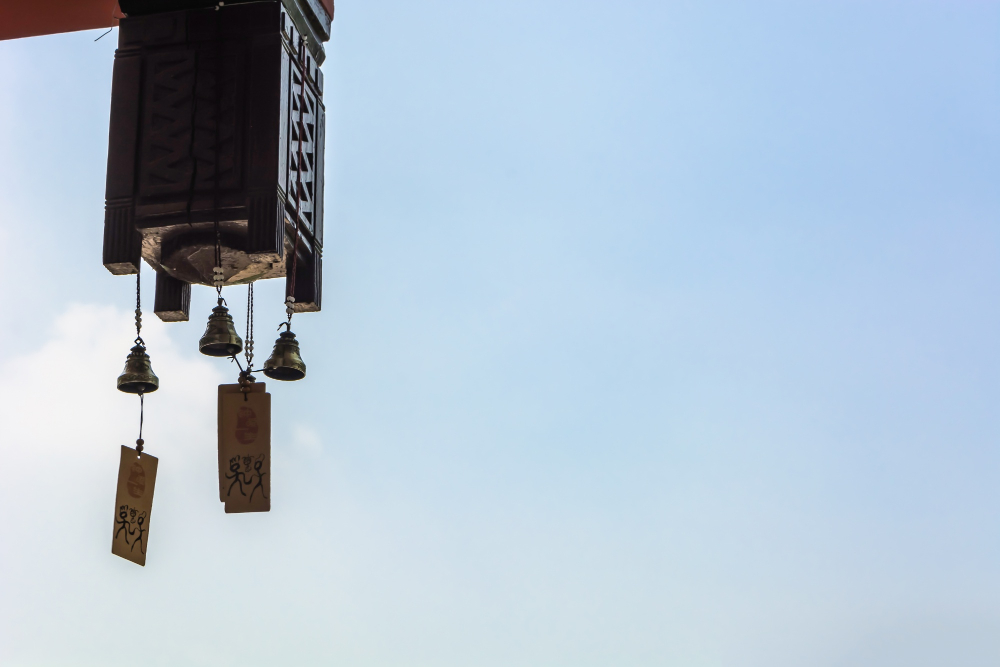
Feng Shui (“wind-water”) is
an ancient Chinese practice of arranging environments to harmonize with energy forces, or “chi,” promoting health, happiness, and prosperity. By balancing the five elements—wood, fire, earth, metal, and water—and managing energy flow through furniture placement, lighting, and decor, it optimizes a living space.
Key Principles of Feng Shui
-
- The Five Elements: Each element is associated with specific colors and shapes to bring balance, such as wood for vitality (greens, blues) and fire for passion/fame (reds).
- Chi Flow: The goal is to allow positive energy to flow freely throughout the home, avoiding clutter and obstructions
.
- Commanding Position: Furniture, particularly beds and desks, should be placed in the “commanding position”—facing the door but not directly in line with it—to increase a sense of security and control.
- Decluttering: A cluttered space prevents positive energy flow, making regular cleaning crucial.
Common Feng Shui Applications
- Bedroom: Position the bed against a solid wall to offer stability and avoid placing it directly in line with the door (“coffin position”).
- Living Room/Home: Use mirrors to reflect beautiful views and bring in natural light, ensuring energy is not trapped by placing objects immediately in front of doors.
- Elements: Incorporate living plants for growth (wood) and use natural light or candles for warmth (fire).
Feng Shui serves as both a, “style of life,” and a method to create a, “supportive environment,” that helps occupants feel more relaxed and positive.